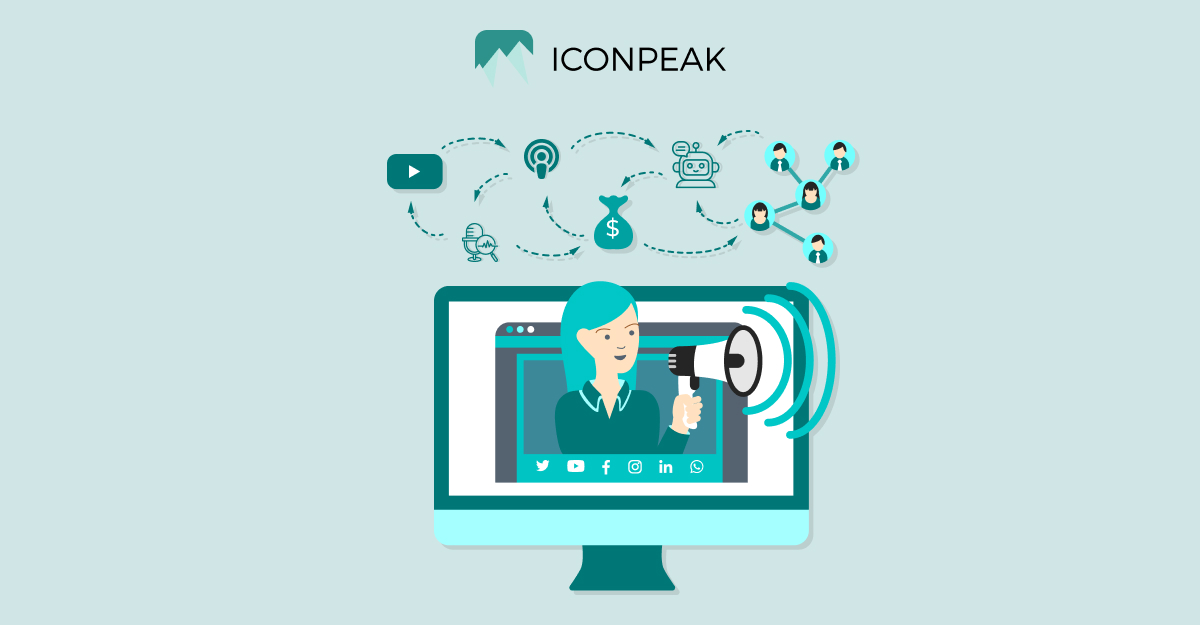
Digital commerce is no longer confined to websites and static product pages. In 2025, the path to purchase is increasingly shaped by video, social platforms, voice search, podcasts, and conversational AI. Together, these channels are transforming how consumers discover products, build trust, and ultimately convert. At the heart of this shift is video and social commerce, where entertainment, interaction, and shopping blend into a single, seamless experience.
The Power of Video in Driving Buying Decisions
Video has become the most influential format in digital marketing. Short-form videos on platforms like Instagram Reels, TikTok, YouTube Shorts, and emerging live-stream formats now dominate attention. For brands, video isn’t just about awareness anymore; it’s a direct sales driver.
Live video commerce takes this even further by combining urgency, entertainment, and community. Limited-time drops, real-time Q&A, and exclusive discounts during live streams create a fear of missing out (FOMO) that accelerates purchasing behavior.
Social Platforms as the New Storefronts
Social platforms are evolving into full-fledged marketplaces. Features like in-app checkout, product tagging, and affiliate creator tools allow consumers to move from discovery to purchase without ever leaving the feed. For brands, this creates a powerful opportunity to shorten the funnel and capture impulse buying behavior.
Influencer and creator partnerships are central to this ecosystem. Peer-driven recommendations feel more authentic than traditional ads, especially for Gen Z and millennial audiences. When creators integrate products naturally into their content, it blends seamlessly with entertainment, making commerce feel like a natural extension of the user experience rather than an interruption.
Voice Search: The Rise of Hands-Free Commerce
Alongside visual commerce, voice search is quietly reshaping how consumers find and buy products. With smart speakers, voice assistants, and in-car systems becoming commonplace, users are increasingly searching, comparing, and reordering products using spoken commands.
For marketers, this means optimizing content for conversational queries rather than traditional keywords. Voice-driven commerce favors brands with strong visibility, clear product information, and frictionless reordering processes. As voice interfaces become more deeply integrated into everyday life, they will play a growing role in low-consideration and repeat-purchase categories.
Podcasting as a Trust-Building Sales Channel
Podcasting has matured into a high-trust marketing environment. Unlike fast-scrolling social feeds, podcasts command sustained attention, often for 30 minutes or more. Host-read ads, branded segments, and affiliate offers feel personal and credible, which translates into strong conversion potential.
Brands are increasingly using podcasts not just for awareness, but for education-driven selling, explaining products, sharing use cases, and building long-term brand affinity that feeds directly into social and e-commerce conversion strategies.
Chatbots and Conversational Commerce
Chatbots are becoming the digital equivalent of in-store sales associates. Powered by AI, they guide users through product discovery, answer questions in real time, recommend items based on preferences, and even complete transactions inside messaging apps or websites.
This form of conversational commerce is especially effective on social platforms, where users already expect instant interaction. The result is a more human, responsive buying journey that reduces drop-off and increases average order value.
The Big Picture
Video and social commerce now sit at the center of a broader ecosystem that includes voice search, podcasting, and chatbots, all working together to remove friction, build trust, and convert users wherever they are. As digital behavior becomes more immersive and conversational, brands that integrate these channels into a unified commerce strategy will be best positioned to win.
In the next phase of digital marketing, content doesn’t just influence the sale—it becomes the storefront itself.